
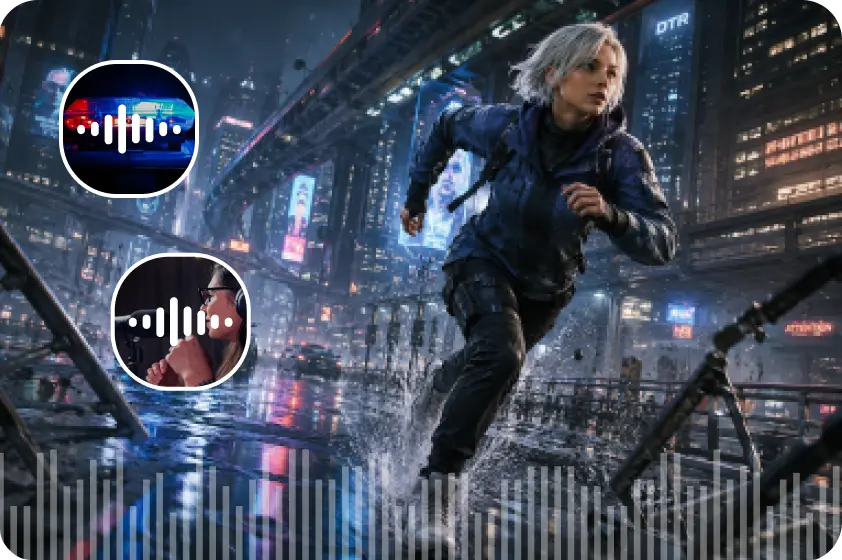
The way people create, edit, and experience digital audio is changing rapidly. Artificial intelligence has introduced new possibilities for creators who want to produce high-quality audio without spending hours on complicated editing processes. From generating natural-sounding voices to creating expressive speech and enhancing audio experiences, modern AI tools are making audio production more accessible than ever.
Among the technologies attracting attention in this space, Seedaudio 2.0 represents an interesting step toward more intelligent and flexible audio generation. Designed around the growing capabilities of artificial intelligence, this technology can help creators explore new approaches to voice, speech, and digital content production.
What Is Seedaudio 2.0?
Seedaudio 2.0 can be understood as an advanced AI-driven approach to audio generation and speech creation. Instead of relying entirely on traditional recording equipment or manual editing, AI-powered audio systems can process text and other inputs to produce speech that sounds increasingly natural and expressive.
The development of technologies such as Seedaudio 2.0 reflects a broader shift in digital content creation. AI is no longer limited to generating written content or images. Audio has become an important part of the AI ecosystem, allowing creators to experiment with narration, virtual characters, educational material, marketing content, and other applications.
One of the most important goals of modern AI audio technology is to make generated speech sound less robotic. Natural pacing, pronunciation, tone, and expression can make a significant difference in how listeners experience digital content.
Why AI Audio Generation Is Becoming Popular
Audio content is everywhere. Podcasts, short videos, online courses, advertisements, social media posts, games, and virtual experiences all depend on sound to communicate effectively. However, producing professional audio traditionally requires recording equipment, a suitable environment, voice talent, and editing skills.
AI-powered solutions can simplify many of these requirements.
Creators can start with written material and use intelligent audio technology to transform it into spoken content. This can save time while allowing individuals and businesses to experiment with different forms of communication.
For independent creators, this accessibility can be particularly valuable. Someone producing educational videos, for example, may not have access to a professional recording studio. An AI audio solution can provide another way to develop narration and voice-based content.
Key Capabilities of Modern AI Audio Technology
One of the most important developments in AI audio is the ability to generate speech with improved pronunciation and expression. Older text-to-speech systems often produced voices that sounded mechanical or lacked emotional variation. Newer systems aim to create speech that feels more conversational.
Another important capability is flexibility. Creators may need audio for different purposes, and each project can have a different tone. A product advertisement may require energetic narration, while an educational lesson might benefit from a calm and clear voice.
AI audio systems are increasingly designed to handle these different creative requirements.
The technology can also support faster production workflows. Instead of recording every line manually, creators can generate preliminary versions, review the result, and make adjustments as necessary. This can be useful when producing large amounts of content.
Seedaudio 2.0 for Content Creators
Content creators are among the groups that can benefit significantly from advancements in AI-generated audio. Video creators, bloggers, educators, and social media professionals constantly need new content, and audio can be one of the most time-consuming elements of production.
Using an AI-based workflow can help creators turn written scripts into narration more efficiently. This makes it easier to experiment with different formats and publish content consistently.
For example, a creator developing a series of educational videos could prepare scripts in advance and then generate narration for each episode. This approach can reduce repetitive recording work and allow more attention to be placed on visual storytelling and overall content quality.
Creators interested in exploring AI-powered creative workflows can use Dreamina to discover Seedaudio 2.0 and experiment with new possibilities for AI-assisted audio content.
Applications in Video Production
Audio plays a major role in video quality. Even when a video has impressive visuals, poor narration or unnatural speech can negatively affect the viewer's experience.
AI-generated speech can help video creators produce narration for tutorials, explainers, documentaries, product demonstrations, and social media videos. It can also be useful when creators need to update a script without recording an entire voice track again.
This flexibility can be particularly helpful for businesses. Marketing teams often need multiple versions of promotional content, and AI-assisted audio generation can support faster experimentation.
As video platforms continue to grow, the demand for efficient audio production is likely to remain strong.
Educational Uses of AI-Generated Audio
Education is another area where AI audio technology can have a meaningful impact. Students learn in different ways, and audio can provide an additional method for consuming information.
Written lessons can potentially be converted into spoken explanations, allowing learners to listen while commuting, exercising, or reviewing material away from a computer screen.
Teachers and educational creators can also explore AI narration for presentations, language-learning materials, online courses, and instructional videos.
Natural-sounding speech is especially important in educational settings because pronunciation and clarity can influence how easily learners understand the material.
AI Audio for Marketing and Business
Businesses are constantly searching for efficient ways to communicate with customers. Audio can be used in advertisements, product videos, presentations, websites, virtual assistants, and customer-facing content.
AI-generated speech can make it easier to create voice-based marketing material without arranging a new recording session for every change.
For international companies, AI audio technology may also provide opportunities to develop content for different audiences. Localization can involve more than translating written words; pronunciation, pacing, and delivery also influence the quality of localized content.
As AI systems become more capable, businesses may increasingly integrate generated audio into their broader content strategies.
The Importance of Natural and Expressive Speech
Technology alone does not guarantee good audio. The generated voice needs to match the context in which it is being used.
For example, a serious instructional video should generally sound clear and professional, while entertainment content may benefit from greater energy and expression.
This is why improvements in speech quality are so important. Modern AI audio development focuses not only on converting text into sound but also on making the result more engaging and contextually appropriate.
Seedaudio 2.0 fits into this broader evolution toward audio systems that can provide creators with greater control over how digital speech is produced.
How AI Audio Could Change Creative Workflows
The biggest impact of AI audio may not be replacing traditional production completely. Instead, it can become another tool within the creative workflow.
Writers can concentrate on scripts, designers can focus on visuals, and editors can bring different elements together while AI assists with repetitive audio tasks.
This collaborative approach can make content production more efficient. Creators still make the important creative decisions, while AI helps accelerate certain technical processes.
As the technology develops, we may see more sophisticated combinations of text, image, video, and audio generation working together within a single creative workflow.
What to Consider When Using AI Audio
Although AI-generated audio offers many advantages, creators should still evaluate the output carefully. Pronunciation, pacing, tone, and overall clarity should be reviewed before publishing content.
It is also important to consider the intended audience. A voice that works well for a casual social media video may not be appropriate for a professional presentation or educational course.
Creators should also pay attention to transparency and responsible use. When synthetic or AI-generated voices are used in public-facing content, maintaining clear and ethical practices can help build audience trust.
The Future of Seedaudio 2.0
The future of AI audio looks promising. As artificial intelligence continues to improve, generated speech is expected to become more natural, flexible, and useful across different creative industries.
Developments in areas such as emotional expression, multilingual speech, voice customization, real-time generation, and improved pronunciation could make AI audio increasingly valuable.
For creators, this means that producing high-quality audio may become faster and more accessible. Instead of treating AI as a replacement for creativity, users can view it as a technology that expands what they can create.
Final Thoughts
AI is changing digital content creation across multiple formats, and audio is becoming an increasingly important part of that transformation. Seedaudio 2.0 represents the growing potential of AI-powered speech and audio technology, offering creators new ways to approach narration, video production, education, marketing, and digital storytelling.
As these technologies continue to develop, the most successful creators will likely be those who combine AI capabilities with strong creative judgment. The technology can accelerate production, but human ideas, storytelling, and quality control remain essential.
For anyone interested in the future of AI-generated audio, exploring emerging tools and understanding how they fit into modern content workflows can open up exciting creative possibilities.